- Payment Options
- Terms Conditions
- Malibu 453 blv
- info@charity.com

Notice: Test mode is enabled. While in test mode no live donations are processed.

Sikhism, the world’s fifth-largest religion, has a distinct identity rooted in its spiritual, cultural, and historical significance. Sikhs are known for their commitment to equality, justice, and selfless service. Despite this, Sikh identity has faced challenges globally, from misrepresentation to outright oppression. In India, Sikhs have endured systemic discrimination and state-sponsored persecution. In contrast, countries like Australia offer an opportunity for Sikhs to assert their identity within a framework of multiculturalism and shared democratic values. This article explores Sikh identity in a global context, the oppression faced in India, and the need for recognition and respect within Australian society.
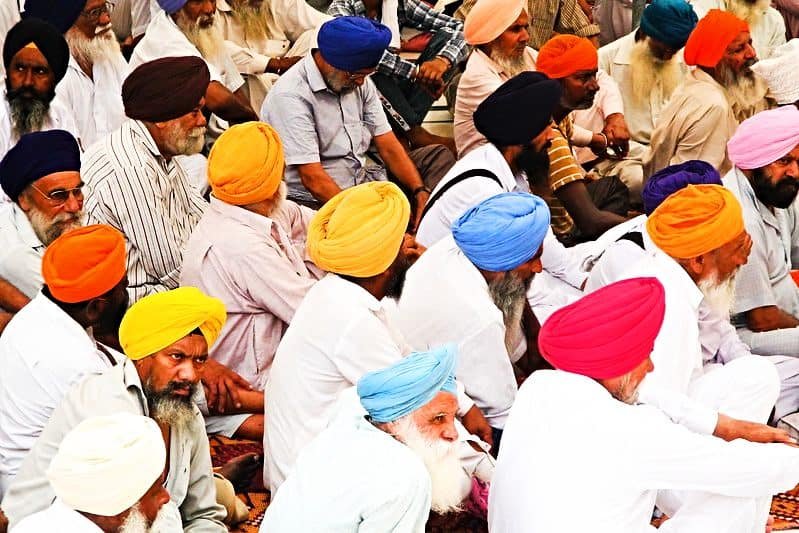
Sikhs are easily recognizable by their distinct articles of faith, including the turban (dastaar), uncut hair (kesh), and the kirpan, a ceremonial sword representing the duty to protect the oppressed. These symbols are not merely cultural; they are integral to Sikh religious observance.
Globally, Sikh identity has often been misunderstood. In the aftermath of 9/11, Sikhs were frequently mistaken for extremists, leading to hate crimes, particularly in the United States and Europe. The 2012 Oak Creek shooting in Wisconsin, where a white supremacist killed six Sikhs in a Gurdwara, highlighted the dangers of ignorance and racial profiling. Similarly, in Canada and the UK, Sikhs continue to advocate for better representation and protection against religious discrimination.
Despite these challenges, Sikh communities worldwide have demonstrated resilience. They have contributed immensely to their adopted countries, excelling in business, politics, and public service while maintaining their faith and values. The demand for recognition, such as the successful campaign for a separate Sikh ethnic category in the UK census, reflects their ongoing struggle for visibility and acknowledgment.
While Sikhs have thrived in many parts of the world, their treatment in India has been starkly different. The Indian state has historically marginalized Sikhs, treating their distinct identity as a threat to national unity.
1984 Sikh Genocide and Continued Injustice.
One of the darkest chapters in modern Sikh history is the 1984 Sikh Genocide. Following the assassination of Prime Minister Indira Gandhi, thousands of Sikhs were massacred in state-sponsored pogroms. Official estimates suggest over 3,000 Sikhs were killed in Delhi alone, but independent reports indicate the numbers were much higher. The perpetrators, many of whom were political leaders, have largely escaped justice.
Australia, with its multicultural fabric and emphasis on religious freedom, provides an environment where Sikhs can practice their faith without fear. However, challenges remain, particularly in terms of full recognition and integration.
Census Recognition of Sikhs as a Distinct Ethnic Group
The Australian Sikh community has been pushing for recognition as a separate ethnic group in the national census. In the 2021 Census, over 210,000 Australians identified as Sikh, yet Sikhs were still categorized under “Indian.” This lack of distinction undermines Sikh identity and fails to acknowledge their unique heritage, which is separate from the broader Indian identity.
In the UK, Sikhs successfully campaigned for recognition as a distinct ethnic group, setting a precedent for Australia. This move would help in policymaking, representation, and addressing issues like hate crimes more effectively.
Sikh Australians have also faced challenges regarding the kirpan and turban in schools and workplaces. While there have been legal victories, including exemptions allowing Sikh students to wear kirpans in some states, uniform policies continue to create unnecessary conflicts.
Sikhs have been active contributors to Australian society, embodying values that align with the nation’s principles:
Sikh identity, rooted in distinct religious and cultural traditions, has faced both global challenges and state-sponsored oppression in India. However, countries like Australia offer a beacon of hope, where Sikhs can advocate for full recognition and integration while upholding their values. By aligning their struggle with Australia’s commitment to diversity and religious freedom, Sikhs can continue to build a society where their identity is respected and celebrated.
• Singh, P. (2018). Sikhs in the Diaspora: Global Challenges and Recognition Struggles. Oxford University Press.
• Tatla, D. S. (2006). The Sikh Diaspora: The Search for Statehood. Routledge.
• Australian Bureau of Statistics (2021). Census Data on Sikhs in Australia.
• BBC News (2021). 1984 Sikh Massacres: India’s Unpunished Tragedy.
Lorem ipsum dolor sit amet, consectetuer adipiscing elit aenean comm odo ligula eget dolor massa Lorem ipsum dolor sit amet, consectetur adipiscing elit. Aenean egestas magna at porttitor vehicula nullam.