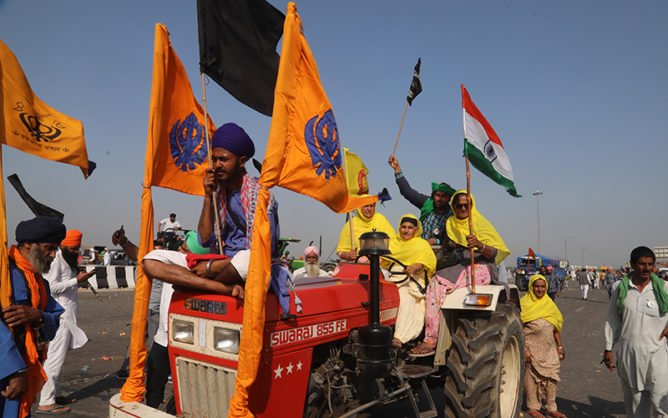
Hindutva extremism is a growing ideological movement that promotes a Hindu nationalist agenda, often at the expense of minorities, democratic values, and secularism. While Hindutva originated in India, its influence has expanded globally, including in Australia, where it poses challenges to social harmony, multiculturalism, and civil rights. This article explores the global implications of Hindutva extremism, its oppression of Indian minorities, and its conflict with Australian shared values.
Hindutva Extremism as a Global Threat
Hindutva ideology, championed by groups like the Rashtriya Swayamsevak Sangh (RSS), Vishva Hindu Parishad (VHP), and Bharatiya Janata Party (BJP), has led to rising communal tensions worldwide. The movement’s influence has been seen in:
• Diaspora Radicalization: Pro-Hindutva organizations have gained traction in countries like the UK, Canada, and Australia, where they spread anti-minority propaganda and attempt to influence political discourse.
• Export of Hate Crimes: Reports of violence against Sikhs, Muslims, and Dalits by Hindutva-affiliated individuals in the diaspora have increased. In Leicester (UK), in 2022, Hindutva mobs attacked Muslim neighborhoods, exposing their growing reach.
• Targeting Academic and Media Institutions: Hindutva groups have tried to silence critics, attacking university professors, journalists, and activists who challenge their ideology. In Australia, they have pressured institutions to alter historical narratives that highlight Indian pluralism.
Oppression of Indian Minorities: A Hindutva Agenda
Hindutva extremism systematically marginalizes and oppresses non-Hindu communities in India. These oppressive practices have direct implications for Indian-origin communities in Australia who seek safety and freedom. Examples include :
• 1984 Sikh Genocide Denial: Hindutva nationalists continue to whitewash the genocide of Sikhs in India, spreading disinformation in global forums.
• Persecution of Muslims: The introduction of the Citizenship Amendment Act (CAA) and the National Register of Citizens (NRC) systematically discriminates against Muslims. This ideological hostility has been mirrored in Australia, where Hindutva groups have opposed Muslim immigrants.
• Violence Against Dalits and Christians: Caste-based oppression remains rampant, with Hindutva forces engaging in mob violence against Dalits and Christian minorities. Some Australian-based Dalit activists have faced intimidation from Hindutva-linked individuals.
Hindutva vs. Australian Shared Values
Australia’s multicultural democracy is built on inclusivity, secularism, and freedom of expressionall of which are under threat from Hindutva extremism. The ideology directly contradicts Australian principles by:
Undermining Religious Freedom – Hindutva groups have attempted to control gurdwaras and temples in Australia, restricting the voices of Sikh and non-Brahmin Hindu communities.
Inciting Hate Speech and Intimidation – In 2023, pro-Khalistan Sikhs in Australia were attacked by Hindutva mobs during peaceful protests. Similar incidents were recorded in Melbourne, Sydney, and Brisbane.
Influencing Political Narratives – By funding and lobbying certain politicians, Hindutva groups attempt to shift Australian policy away from human rights advocacy in India.
Disrupting Social Harmony – Hindutva elements have vandalized pro-Khalistan posters and engaged in hate-driven propaganda against Muslims and Sikhs in Australian social media spaces.
How Australia Can Combat Hindutva Extremism
To protect its democratic values and minority communities, Australia must take proactive steps against Hindutva extremism. Key actions include:
Governmental Action:
o Recognize Hindutva extremism as a form of political radicalization and monitor organizations with direct links to RSS/VHP/BJP.
o Strengthen hate crime laws to protect Sikhs, Muslims, Dalits, and Christians from Hindutva-driven violence.
Community Awareness & Education:
o Support academic research that exposes Hindutva influence in diaspora politics.
o Encourage interfaith and intercultural dialogues to promote true inclusivity and challenge divisive narratives.
Regulating Hindutva Funding :
o Investigate and restrict foreign funding from extremist Hindutva-affiliated groups into Australian temples and cultural organizations.
o Monitor and dismantle hate-driven social media networks promoting communal propaganda.
Hindutva extremism is not just an Indian problem, it’s a global issue that threatens social harmony and democracy, including in Australia. By raising awareness, pushing for governmental action, and strengthening community resistance, Australians can uphold their shared values of justice, secularism, and human rights. The Sikh community and other marginalized groups must continue leading the charge against Hindutva extremism, ensuring Australia remains a safe and inclusive country for all.
References & Further Reading
1. Human Rights Watch – Reports on Hindutva violence and suppression of minorities.
2. Amnesty International – Investigations into Indian human rights violations.
3. Australian Government Reports – Hate crimes and extremism monitoring.
4. Academic Research – Hindutva’s impact on global politics and diaspora communities.